| Port of San Diego Removes Large Marine Debris from Zuniga Jetty Shoals |
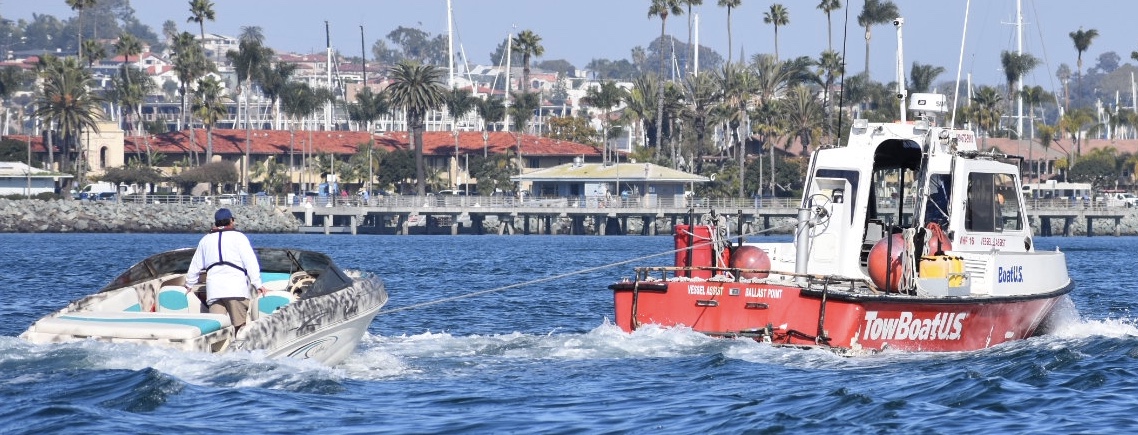
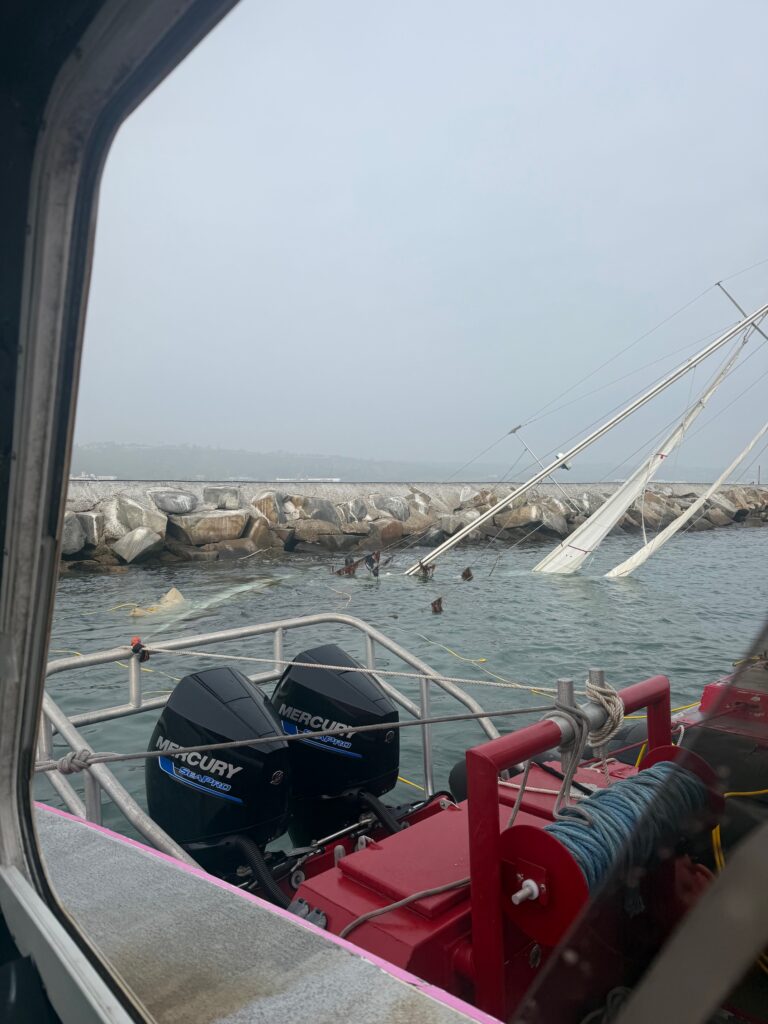
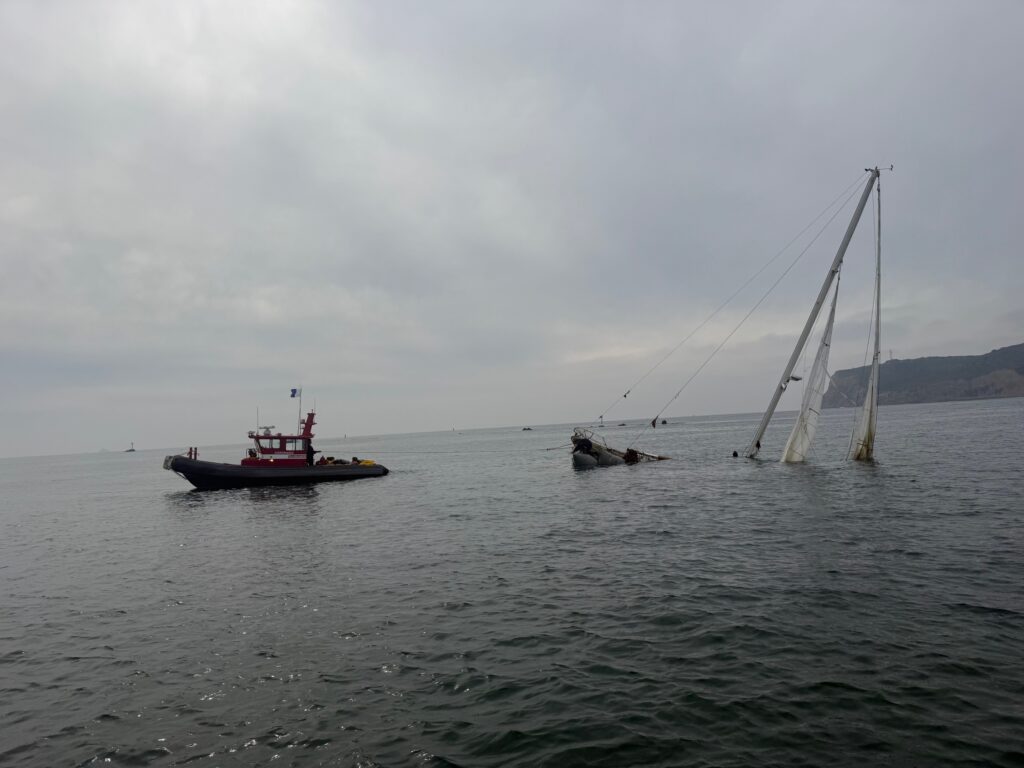
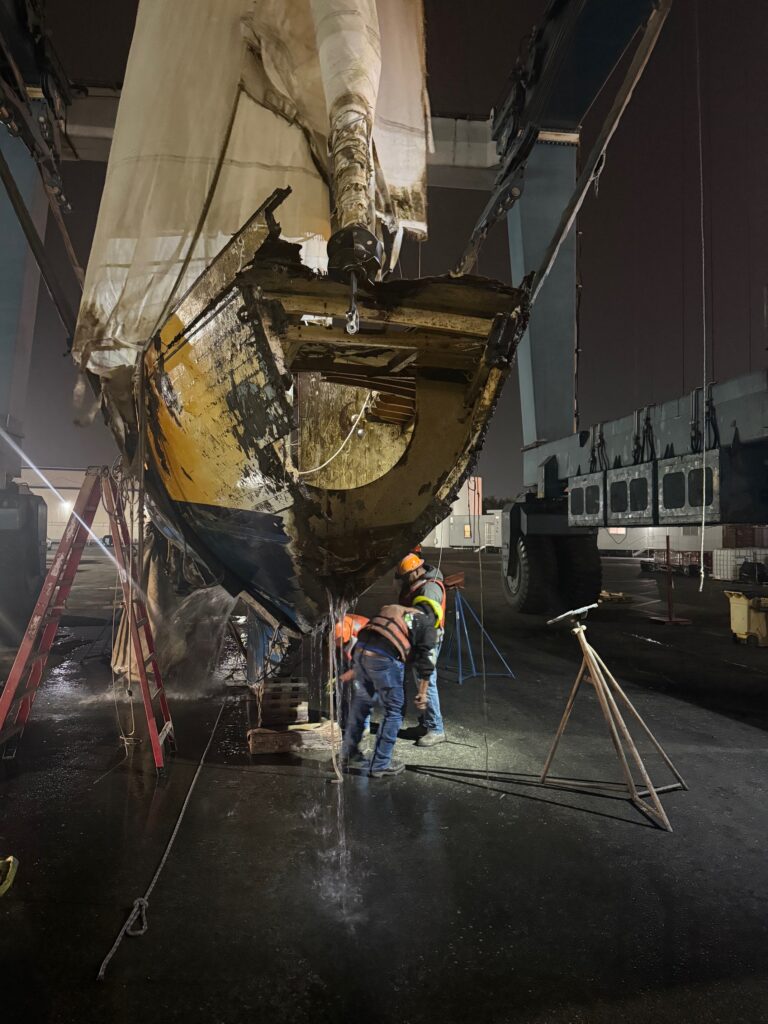
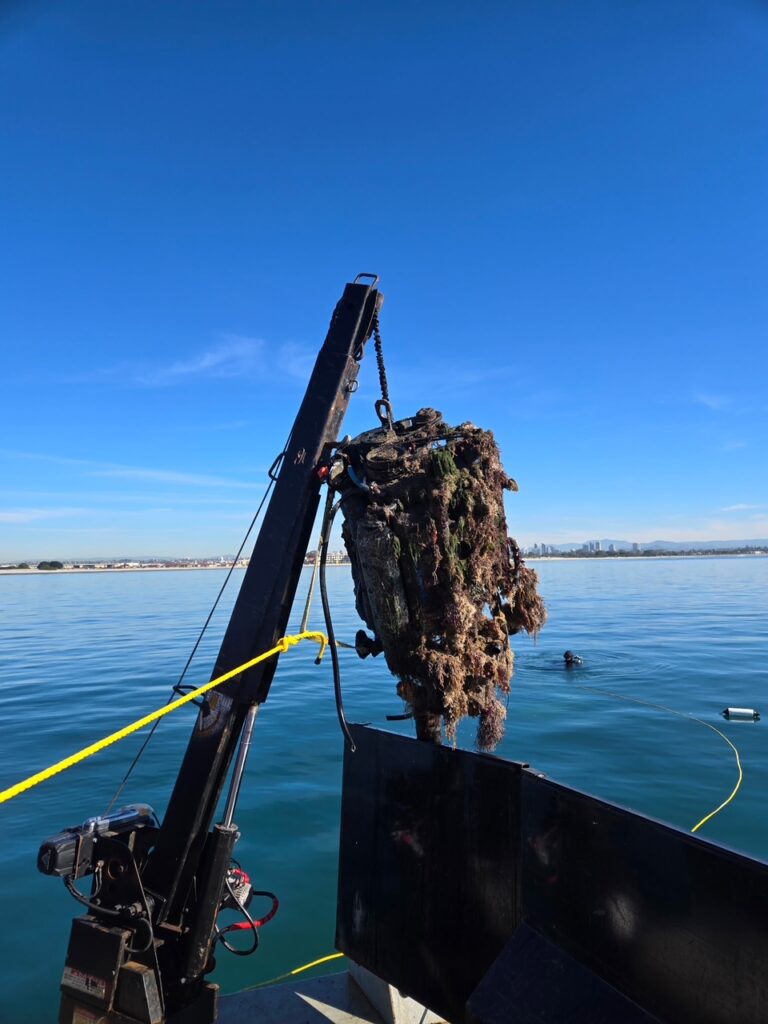
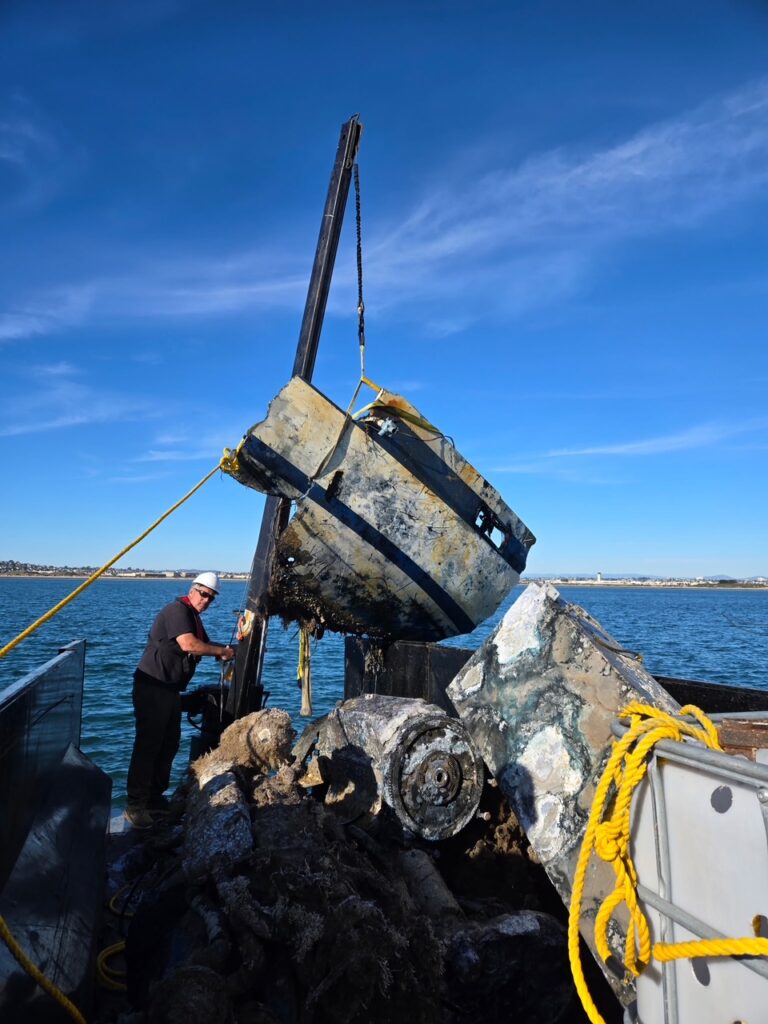
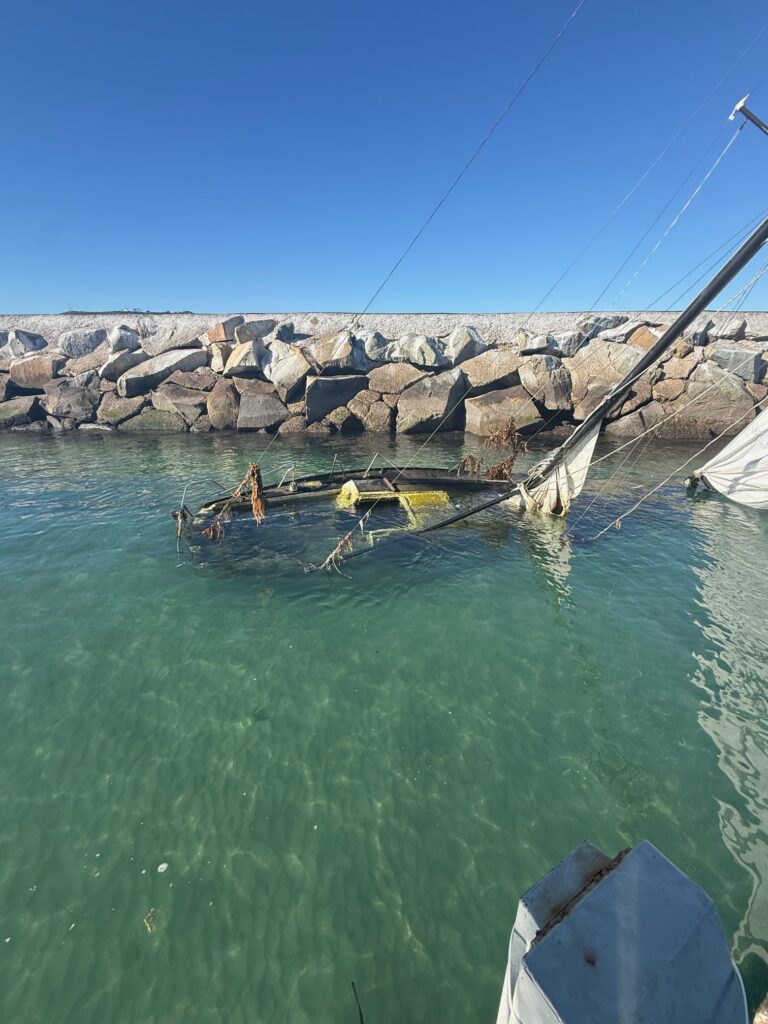
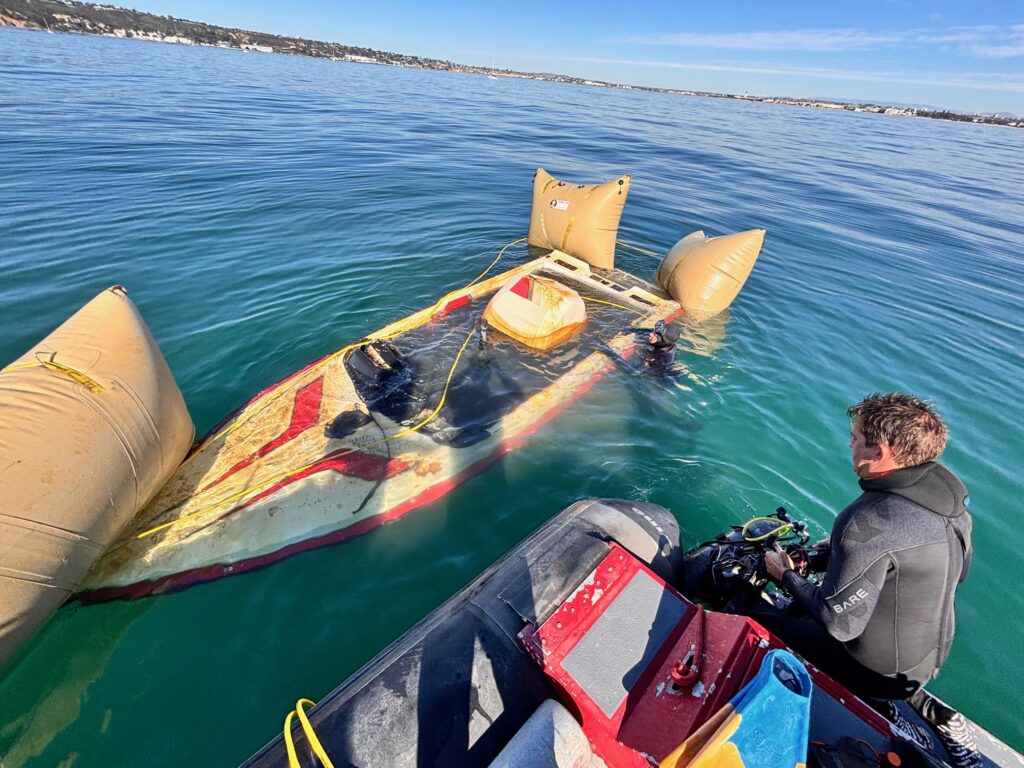
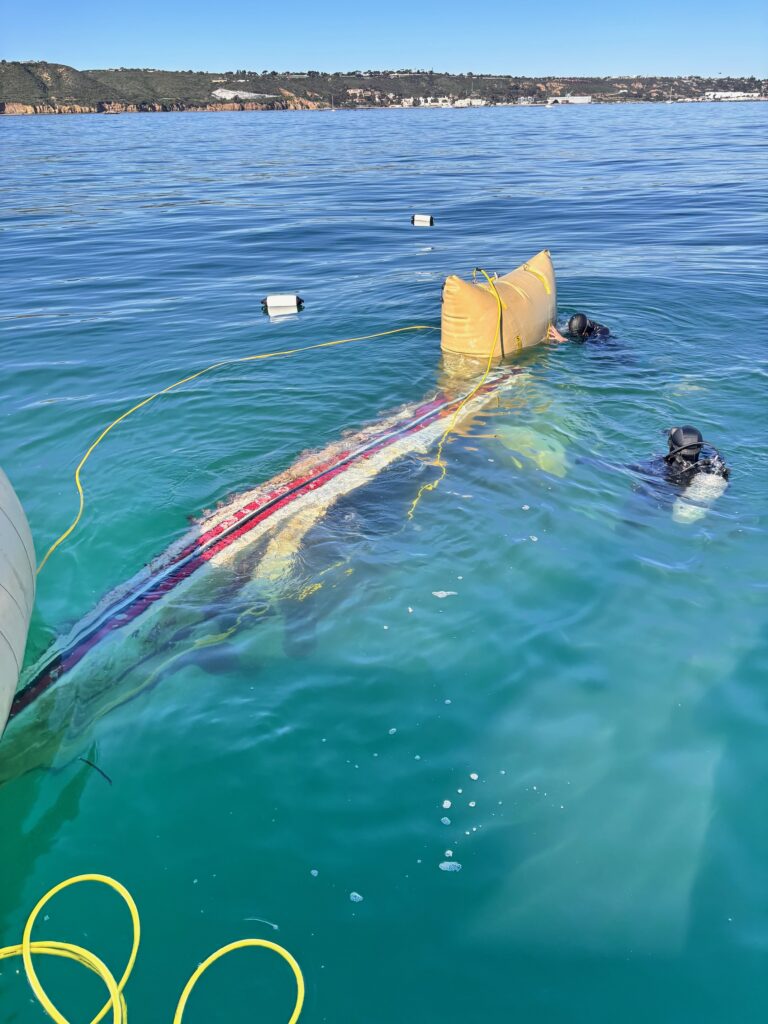
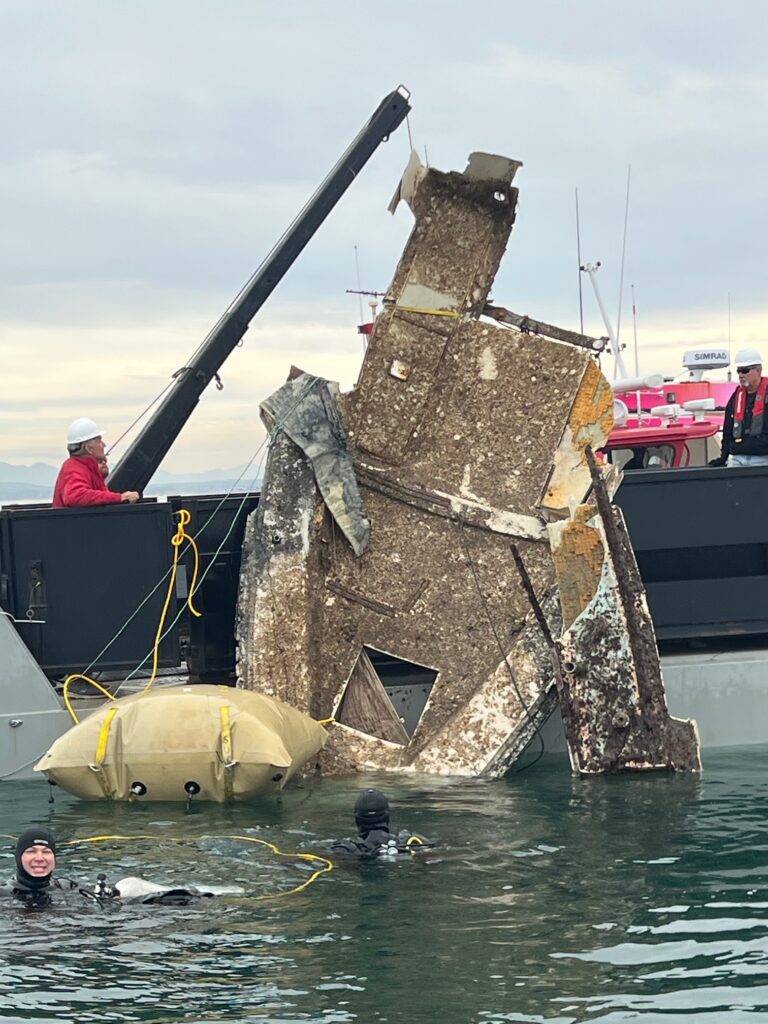
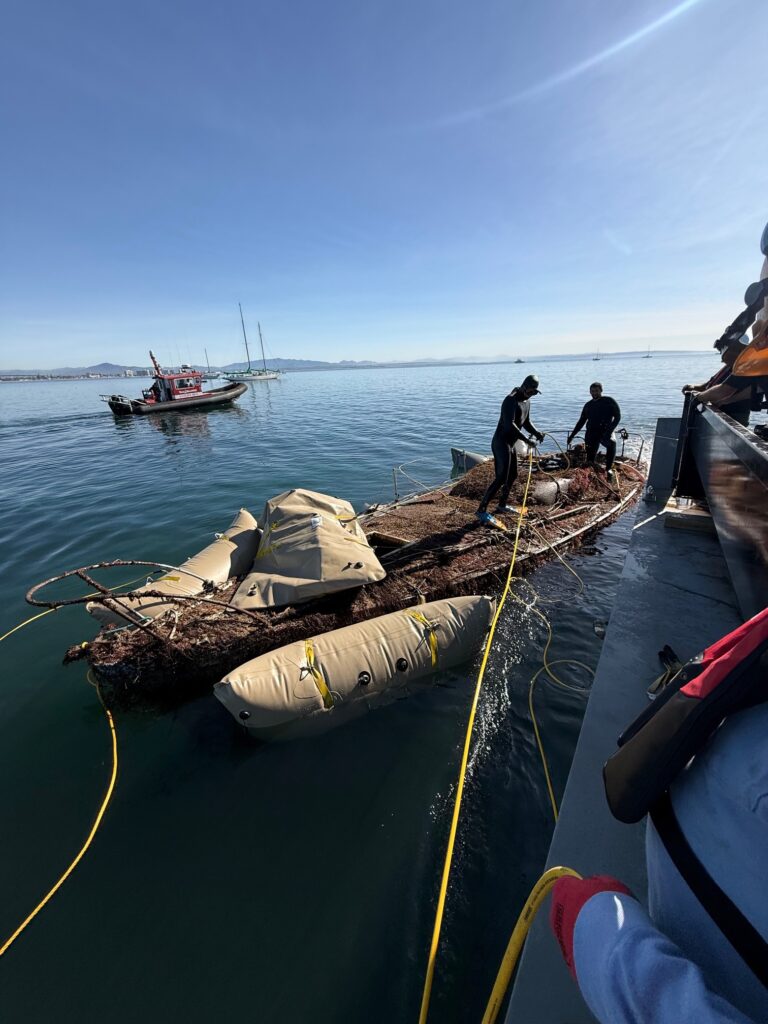
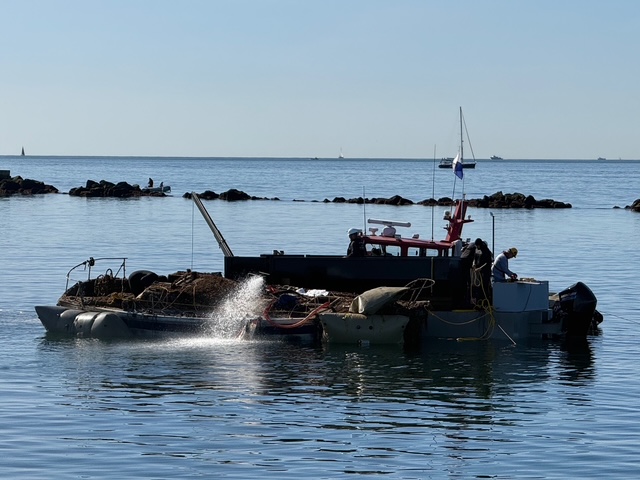
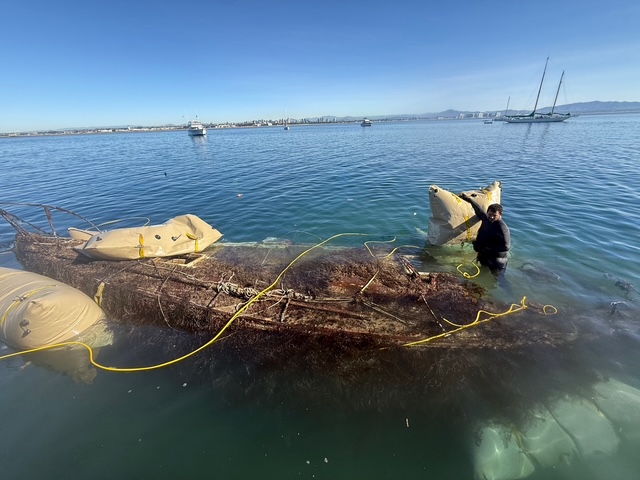
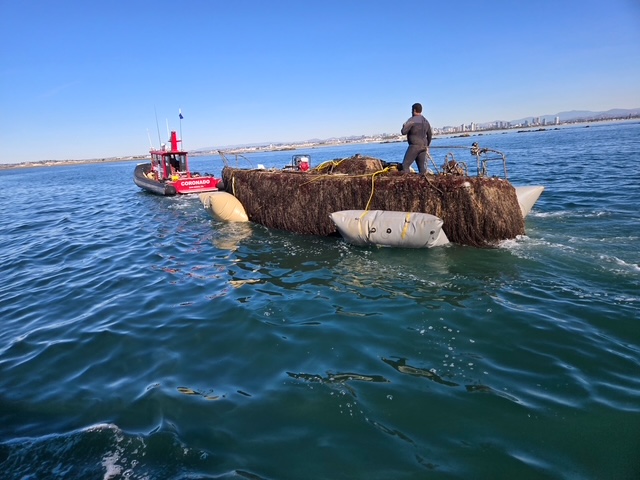
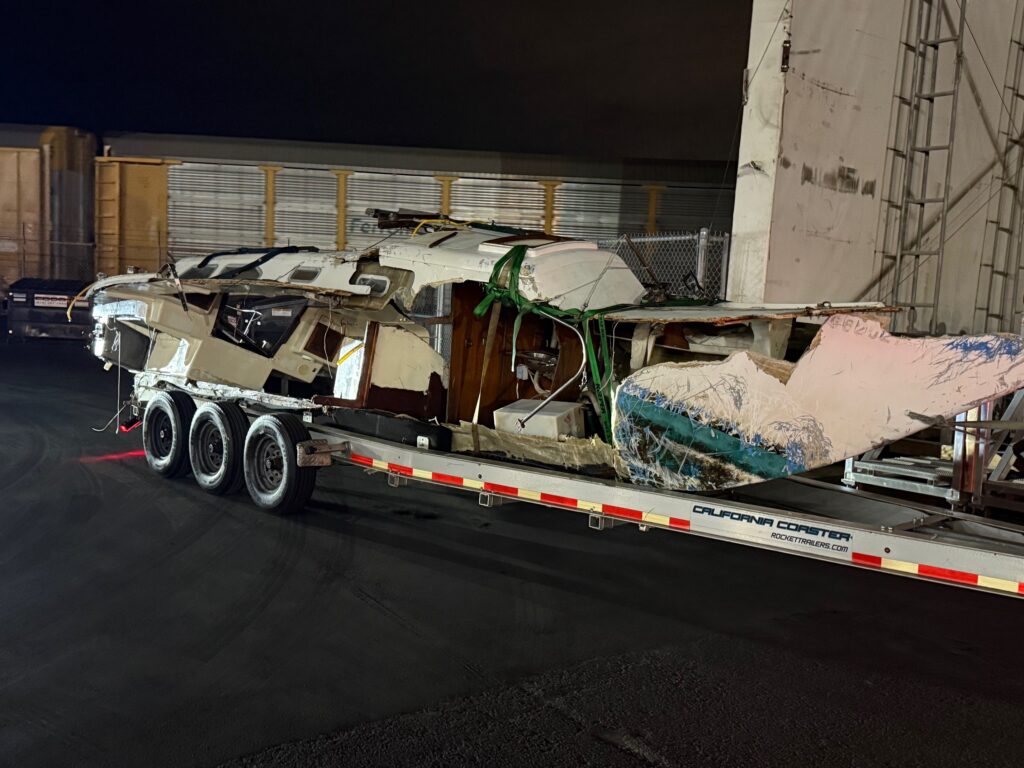
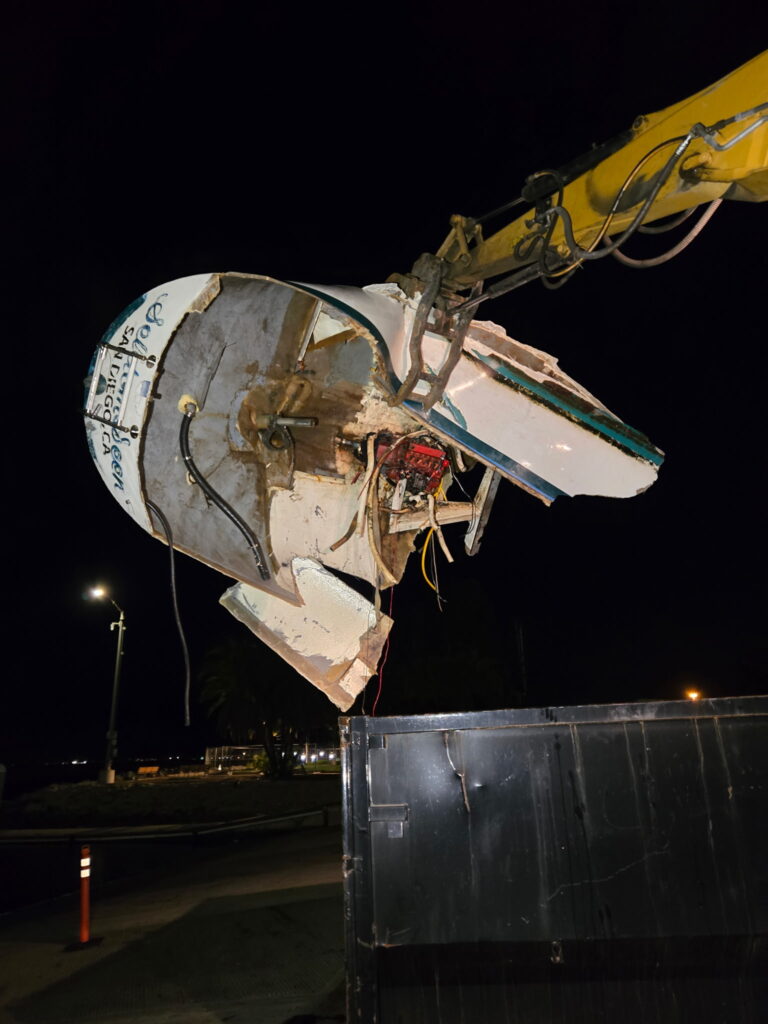
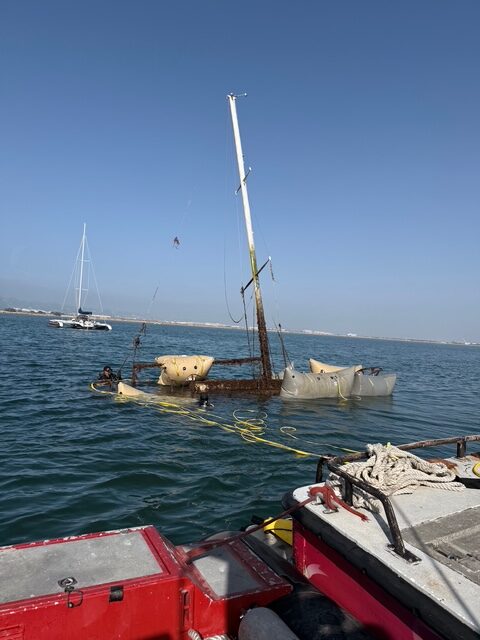
| As part of its commitment to being environmental champions, the Port of San Diego has completed a project to remove large underwater debris, primarily sunken or sinking vessels, in the Zuniga Jetty Shoals area. The project began in November 2025 and was recently completed with the team successfully removing and properly disposing of 122,060 pounds of marine debris. The Port worked with Big Bay Marine Services, Inc., doing business as TowBoatUS, on this project. The team worked together to avoid any environmental impacts during the debris removal. This included surveying all target locations, developing a prioritization plan, and checking for critical marine habitats. In addition, Big Bay Marine Services utilized divers to minimize the use of equipment and anchoring. All marine debris removed from the Shoals was taken off Port Tidelands for demolition and subsequent disposal. The project was funded as part of a $1.4 million grant from Caltrans, that was moved forward by California Assemblymember Chris Ward, to help address abandoned and derelict vessels at the Shoals through debris removal and enforcement. Why it Matters San Diego Bay is home to a variety of marine life, and it is a recreational haven that attracts boaters from all over the world. While entering and exiting the bay, many boaters pass by Zuniga Jetty Shoals, a 900-acre area which stretches just east of Zuniga Jetty. Vessels are often abandoned in the area, leading to debris that becomes a potential navigation hazard to other vessels. Abandoned vessels often leach chemicals, plastics, and other materials that are harmful to sea life. Removal of this debris helps protect San Diego Bay as a natural and recreational resource for years to come. Though the current debris removal project is complete, the Port continues to promote best practices for reducing the environmental impact of boating, fishing and other recreational activities in and around San Diego Bay. Boaters are encouraged to visit the Port’s website for more information on boating on San Diego Bay, including contact details for reporting potential hazards and marine pollution. Abandoned vessels should be reported to the U.S. Coast Guard or by calling the Port of San Diego Harbor Police Department at 619.686.6272. Boaters and non-boaters can also help keep San Diego Bay clean by taking the #ThatsMyBay Pledge at portofsandiego.org/thatsmybay. |
| ABOUT THE PORT OF SAN DIEGOThe Port of San Diego serves the people of California as a specially created district, balancing multiple uses on 34 miles along San Diego Bay spanning five cities. Collecting no tax dollars, the Port manages a diverse portfolio to generate revenues that support vital public services and amenities. The Port champions Maritime, Waterfront Development, Public Safety, Experiences and Environment, all focused on enriching the relationship people and businesses have with our dynamic waterfront. From cargo and cruise terminals to hotels and restaurants, from marinas to museums, from 23 public parks to countless events, the Port contributes to the region’s prosperity and remarkable way of life on a daily basis. |
| ABOUT PORT OF SAN DIEGO ENVIRONMENT Port of San Diego Environment champions the safekeeping and environmental care of our diverse ecosystems. Year after year, environmental goals are set and measured to evolve environmental initiatives – ensuring San Diego Bay remains a vibrant resource and contributes to a remarkable way of life for visitors and residents for generations to come. |
  |
| Media Contact: Kelley Lieberman C: 619.643.0154 | View press release on Port website. |